House Movers in Belgium: Local Moving Support for Homes, Apartments, and Businesses
Moving home is a big step, whether you are relocating within the same street, across a city, or from one region of Belgium to another. From compact city apartments in Brussels to family houses in Flanders, from terrace homes in Wallonia to mixed-use buildings in busy town centres, every move brings its own challenges. Choosing House Movers in Belgium means choosing a service that understands local streets, parking rules, building access, and the practical realities of moving possessions safely and efficiently.
When people look for house movers, they are usually not just looking for a van and a few strong arms. They want a team that can help them protect furniture, keep the day organised, and reduce the stress that comes with packing, lifting, transport, and unloading. That is especially important in Belgium, where narrow roads, apartment stairwells, limited loading zones, and multi-storey buildings are common. A well-prepared move can save time, reduce damage, and make settling into your new place much easier.
Whether you are moving a studio flat, a larger family property, or a business location with office furniture and equipment, the right moving service should fit your situation. Local experience matters because no two Belgian moves are exactly the same. Some require careful manoeuvring through tight communal entrances; others need extra planning for lifts, permit restrictions, or access in older neighbourhoods. This is where a reliable local moving team makes a real difference.
Why Local House Movers Matter in Belgium

Belgium has a wide mix of property types and neighbourhood layouts. In Brussels, many customers move into apartments or historic buildings with narrow staircases and shared entrances. In Antwerp and Ghent, you may face busy streets, limited kerbside space, and strict loading times. In Liège, Namur, Leuven, or Bruges, parking and access can still be challenging depending on the district and the type of building. A local moving team is used to planning around these realities rather than treating every move the same.
House movers in Belgium are also helpful because local relocations often involve more than simple transport. You may need a team that can manage dismantling, wrapping, carrying, loading, and unloading in one coordinated service. If you are moving from a town house with a front garden, a top-floor apartment, or a commercial property with shared access, the work must be adapted to the site. That preparation can significantly reduce delays on moving day.
Another reason people choose local movers is communication. A team familiar with the region can better estimate timing, understand route conditions, and anticipate common issues such as school traffic, rush-hour congestion, narrow side streets, or limited elevator access. That practical knowledge helps the whole move run more smoothly.
What House Moving Services Typically Include
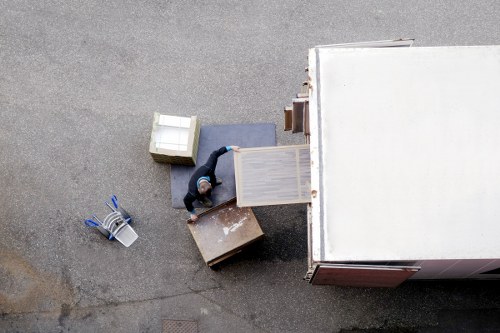
A professional moving service in Belgium should be clear about what is included so you know exactly what to expect. Depending on your needs, a house move can range from transport-only support to a more complete service that assists before, during, and after moving day. Many customers prefer a flexible approach because every property and budget is different.
Common services may include:
- Packing support for selected rooms or the full property
- Protective wrapping for furniture and fragile items
- Dismantling and reassembly of beds, tables, and certain furniture
- Safe loading and unloading
- Transport between addresses
- Careful placement of items in the new home or office
- Help with bulky or awkward items such as wardrobes, appliances, and sofas
- Coordination for buildings with stairs, lifts, or restricted access
Some people only need help with larger furniture and heavy lifting, while others want a more complete moving solution. The benefit of working with experienced house movers is the ability to tailor the service to the size of your move, the layout of your property, and your timeline.
It is also useful to ask whether your move includes special handling for delicate items such as mirrors, artwork, monitors, glass tables, or electronics. A careful service should treat these as priorities, not afterthoughts.
Types of Moves We Support Across Belgium

House moving needs vary widely depending on where you live and what you are moving. Belgium includes dense city areas, suburban neighbourhoods, rural homes, and mixed commercial-residential districts, so a one-size-fits-all service is rarely the best option. The right moving team should be able to support both small and large projects with equal attention to detail.
Typical move types include:
- Apartment moves - Ideal for city centres and multi-storey buildings where lifts, stair access, and shared entrances must be handled carefully.
- House relocations - Suitable for detached, semi-detached, and terrace homes, where more furniture and household contents may need transport.
- Student or starter home moves - Helpful for smaller homes or flats when speed and affordability are important.
- Family moves - Often involve more rooms, more packing, and a more detailed plan for children’s belongings, wardrobes, and shared spaces.
- Office and commercial relocations - Useful for businesses that need desks, filing systems, IT equipment, stock, or fixtures moved without unnecessary downtime.
Many Belgian customers are also moving between municipalities, not just within one town. That can mean planning a move from Brussels to Leuven, from Ghent to Antwerp, from Charleroi to Namur, or from one suburb to another. Even relatively short distances can become complicated if buildings have different access conditions or if one location is in a busy urban area.
How the Moving Process Usually Works

A structured moving process helps avoid confusion and last-minute stress. Good house movers should explain the steps clearly so you can prepare properly and know what happens on moving day. The process may differ slightly depending on whether you choose a basic transport service or a more complete moving package, but the overall flow is usually similar.
Typical process steps:
- Initial enquiry - You share key details such as the current address, destination, property type, number of rooms, and any difficult items or access issues.
- Assessment - The mover may ask questions about stairs, lift access, distance from parking to entrance, and any special packing needs.
- Quotation - You receive a tailored estimate based on the details of your move rather than a generic figure.
- Planning - The team confirms timing, logistics, and any preparation required on your side.
- Moving day - Items are packed, loaded, transported, and placed in the new property according to the agreed plan.
- Completion - Furniture may be reassembled where included, and key rooms can be set up first to help you settle in faster.
For larger or more complicated moves, this planning stage is especially valuable. It can help identify whether extra carrying distance, protective materials, or access coordination is needed. Clear planning is one of the biggest reasons a move feels manageable rather than overwhelming.
Some customers also appreciate having the move split over two stages, such as packing one day and transport the next. That can be useful for busy families, professionals with limited time, or businesses needing to keep operations running.
Why Belgium-Specific Local Knowledge Helps on Moving Day

Belgium’s urban and suburban environments create practical challenges that are not always obvious until moving day arrives. A moving team that works locally understands the difference between a quiet residential street in the countryside and a high-traffic road in a city centre. They also know that parking in some districts may be limited, and that short walking distances between the van and front door can become a major factor when carrying heavy furniture.
Local knowledge can help with issues such as:
- Loading and unloading in narrow streets
- Coordinating with apartment entrances and building managers
- Managing moves in older properties with steep stairs
- Handling shared hallways, lifts, and entry codes
- Planning around busy traffic periods and school runs
- Choosing the best access point for the moving vehicle
That kind of practical awareness is particularly useful in places such as Brussels, Antwerp, Ghent, Leuven, Bruges, Mechelen, Mons, Namur, Liège, and surrounding areas. It is not just about distance; it is about making the route, access, and timing work for your specific property.
For many customers, this local familiarity can also reduce the amount of physical handling required. If the mover knows the best entry point or parking arrangement in advance, they can work more efficiently and reduce unnecessary lifting.
What Affects House Moving Costs in Belgium?
Customers often want to know what influences the final quote for a move. While exact prices depend on the details of your job, several common factors affect the overall cost. Understanding these factors can help you compare services more confidently and avoid surprises later.
Main pricing factors may include:
- The size of the property and quantity of items
- Distance between the pickup and delivery addresses
- Whether packing materials or packing labour are needed
- How much dismantling and reassembly is required
- Access conditions at each property, including stairs and lifts
- Parking distance from the entrance
- Time required for loading, transport, and unloading
- Whether fragile, bulky, or specialist items need extra care
- Whether the move is residential, commercial, or mixed-use
Some of the most overlooked cost factors are access and handling time. For example, a short move from one street to another can still take longer if one address has no nearby parking or if the property is on an upper floor without a suitable lift. That is why accurate details matter when you request a quote.
If you want a more useful estimate, it helps to share as much practical information as possible. The more accurate the description of your move, the more realistic the quote will be for your situation. Request a free quote once you know your dates and property details.
Preparation Checklist for a Smooth Move
Even with professional house movers, a little preparation goes a long way. The goal is to make moving day efficient, protect your belongings, and reduce the amount of time spent sorting items at the last minute. Many customers find that a clear checklist helps them stay calm and organised.
Before the move, consider these steps:
- Sort items into keep, donate, recycle, and discard groups.
- Pack non-essential belongings early, room by room.
- Label boxes clearly with room names and contents.
- Keep important documents, medications, and valuables with you.
- Measure large furniture and confirm it will fit through doors and stairwells.
- Empty and defrost fridges or freezers if needed in advance.
- Reserve lift access if your building requires it.
- Check parking arrangements for the moving day vehicle.
- Protect floors and walls if that is part of your building’s requirements.
- Prepare a simple essentials box for the first 24 hours in the new property.
It also helps to create a room-by-room priority order. For example, you may want beds, kitchen essentials, and children’s items unloaded first, while storage boxes can be placed later. This makes your new home feel functional more quickly.
If you are moving from a flat in a busy area such as Brussels, Antwerp, or Ghent, check whether your building needs advance notice for lift use or access scheduling. A local mover can often advise on these practical points.
Why Choose a Local Moving Company Rather Than Doing It Alone?
Some people consider hiring a van and handling everything themselves, especially for smaller moves. While that may work in certain cases, it can quickly become stressful when heavy furniture, narrow stairs, and time pressure are involved. Choosing experienced house movers can remove much of that strain and help avoid avoidable damage.
Benefits of using a local moving team include:
- Less physical strain and fewer lifting risks
- More efficient loading and transport
- Reduced chance of damage to furniture and walls
- Better planning around access and parking
- Support for dismantling and reassembly where needed
- A smoother experience for families, older residents, and busy professionals
- More suitable handling for business equipment and office furniture
There is also peace of mind in knowing that the move is being handled by people who deal with similar properties every week. That can matter a lot if your home has stairs, a tight entrance, a long carry from the street, or awkward furniture that needs careful manoeuvring.
For many local customers, the real value is not only transport, but the reduction in stress and time pressure. Contact us today to discuss your move and request a free quote.
Areas Covered Across Belgium
A dependable service should be able to support customers across a wide area, not just in one city. Belgium’s layout means many moves involve neighbouring towns, suburban districts, or intercity routes. Local house movers often support both short and medium-distance relocations across the country.
Common service areas may include major cities, surrounding suburbs, and nearby municipalities such as:
- Brussels and nearby districts
- Antwerp and surrounding neighbourhoods
- Ghent and nearby communities
- Bruges and the wider West Flanders area
- Leuven and nearby towns
- Mechelen and surrounding areas
- Liège and nearby residential districts
- Namur, Mons, Charleroi, and nearby locations
- Smaller towns and villages between urban centres
Because Belgium is compact but densely populated in many regions, moves often involve careful timing rather than long travel distances. A team that regularly works across the country can plan around local traffic patterns and access conditions more effectively than an unfamiliar provider.
If you are planning a move between provinces or into a busy city centre, book your service now so there is enough time to arrange the details properly.
Commercial and Residential Moving Needs
Although many people think first about moving homes, house movers in Belgium often support business customers too. Small offices, retail units, clinics, and home-based businesses may need furniture, inventory, equipment, and documents moved carefully and efficiently. For commercial customers, the key priorities are usually speed, organisation, and reducing interruption.
Residential customers usually focus on protecting personal belongings, family routines, and fragile household items. Commercial customers may need help with:
- Office desks, chairs, and cabinets
- IT and electronics handling
- Records and filing systems
- Retail stock and shelving
- Light fixtures or modular furniture
- Coordinated relocation timing to minimise downtime
Both types of customers benefit from the same core qualities: careful lifting, clear organisation, flexible planning, and local knowledge. Whether you are moving a family home or a business premises, the aim is to keep the process straightforward and manageable.
Questions Customers Often Ask
When planning a move, it is normal to have practical questions. Below are some of the most common ones local customers ask before booking house movers in Belgium.
Do you handle apartments and houses?
Yes, many moves involve both. Apartment moves may require more attention to stairs, lifts, and shared entrances, while house moves often involve larger volumes of furniture and household goods.
Can you help with packing?
Depending on the service you choose, packing support may be available for all or part of the move. Some customers only want fragile items packed professionally, while others prefer more complete packing assistance.
What if my building has limited access?
That is common in Belgium. Narrow roads, gated entrances, stairwells, and shared lifts can all affect the move. A local team can plan for these issues in advance and adapt the day accordingly.
Do you move businesses as well as homes?
Yes, residential and commercial moves can both be arranged. Office furniture, equipment, stock, and documents may all need to be relocated with care.
How far in advance should I book?
As soon as your moving date is known, it is best to enquire early. This is especially important for end-of-month moves, weekend moves, and relocations during busy periods.
Can you help with large or awkward items?
Many moving teams can handle bulky items such as wardrobes, sofas, appliances, and other difficult objects. It is always best to mention these in advance so the right preparation can be made.
If you have other questions, ask them during your quote request so the moving plan matches your needs.
What Makes a Good Moving Service in Belgium?
A strong moving service is not just about getting from one address to another. It is about reliability, preparation, communication, and respectful handling of your belongings. People booking house movers usually want confidence that the move will be organised and that the team will understand the practical realities of their home or business.
Look for a service that offers:
- Clear communication from the start
- Flexible service options for different property types
- Local experience with Belgian access and parking challenges
- Careful handling of furniture and fragile items
- Efficient coordination for moving day
- Support for both residential and commercial customers
It is also worth checking whether the mover asks good questions before providing a quote. A detailed enquiry process usually signals a more organised service and a better chance of an accurate moving plan.
The best moving experience is one where the customer feels informed, supported, and ready for the next chapter.
Ready to Plan Your Move?
If you are looking for house movers in Belgium, the next step is simple: share the details of your move and request a tailored quote. Whether you are relocating within Brussels, moving to a home in Antwerp, changing apartments in Ghent, or arranging a business move elsewhere in the country, a local team can help make the process more manageable.
Be ready to mention the following when you enquire:
- Current and new location
- Property type and floor level
- Approximate number of rooms or items
- Any heavy, fragile, or awkward belongings
- Parking or access concerns
- Whether packing, dismantling, or reassembly is needed
- Your preferred moving date
Contact us today, request a free quote, and book your service now if you want a moving team that understands local conditions and customer priorities in Belgium. A well-planned move can save time, reduce stress, and help you settle into your new space with confidence.
Final Thoughts for Local Customers
Moving home or business premises is always a major task, but it becomes far easier with the right support. Local house movers bring practical advantages that matter in real situations: knowledge of Belgian streets and buildings, experience with access challenges, and the ability to adapt to different property types. Whether your move is large or small, simple or complex, the goal is the same: keep it safe, organised, and efficient from start to finish.
When you are ready, choose a mover that understands Belgium and treats your move with care.