Removal Services in Belgium: Local Moving Help for Homes and Businesses
If you are planning a move, downsizing, relocating your office, or handling a last-minute property handover, professional Removal Services in Belgium can make the process far less stressful. Whether you are moving from an apartment in Brussels, a townhouse in Antwerp, a family home in Ghent, a student flat in Leuven, or a business unit in Liège, having an experienced local team matters. Belgium has its own moving realities: narrow streets, multi-storey buildings, busy city centres, limited parking, stair-only access, and cross-border traffic that can all affect the timing and complexity of a move.
That is why local moving support is not just about lifting boxes. It is about planning, careful handling, route awareness, building access, and practical problem-solving. The right removal team can help you move belongings safely, reduce disruption to your day, and keep the process organised from start to finish. For many customers, the main goal is simple: move efficiently, avoid damage, and get settled quickly.
Request a free quote if you want a service tailored to your property type, distance, and schedule. A well-prepared removal company can usually adapt to home removals, office relocations, furniture transport, and partial-load moves with the right vehicles and crew size.
 What Local Removal Services in Belgium Typically Cover
Removal services vary depending on the property, the size of the load, and how much help you want on the day. In Belgium, customers often need flexible solutions because housing and access conditions differ from one city to another. A compact city-centre move in Brussels is very different from a family relocation in Flanders or a business transfer between provinces.
Typical services may include packing support, loading and unloading, furniture dismantling and reassembly, transport, and careful placement of items at the new address. Some customers only need help with the heavy items, while others prefer a full service that covers the entire moving day. The most useful companies can handle both small and large removals without forcing you into a one-size-fits-all approach.
For many households, moving also involves handling fragile items, appliances, wardrobes, beds, artwork, mirrors, and seasonal storage boxes. For businesses, it may include desks, filing cabinets, IT equipment, archived documents, retail stock, and fitted office furniture. A local moving team should be prepared for residential and commercial removals alike.
Why Local Knowledge Matters for Moves Across Belgium
Belgium’s towns and cities can present very different access issues. In historic centres such as Bruges, Ghent, or parts of Brussels, streets may be narrow and parking limited. Apartment blocks often have tight staircases or lifts with size restrictions. In suburban areas, the move may be easier to access, but larger properties can require more packing, more time, and more vehicle space. Local removal teams understand these practical differences and can plan around them.
Local knowledge also helps with timing. Traffic around major routes, ring roads, business districts, and school areas can affect the schedule, especially at peak times. If you are moving between Antwerp and Mechelen, Brussels and Leuven, or Ghent and Kortrijk, a team familiar with regional routes can plan better loading times and arrival windows. That can reduce waiting, stress, and wasted effort.
Another important factor is building rules. Some apartment blocks require lift reservations, quiet hours, parking arrangements, or advance notice for communal access. A reliable mover knows that moving in Belgium often means coordinating with building managers, neighbours, and local restrictions. That extra attention makes a real difference on moving day.
 Who Uses Removal Services in Belgium?
Removal services are useful for many different customers, not only people moving house. In Belgium, the customer base is broad, and the job type can vary widely from one call to the next. Some people need to move a single room of furniture, while others are relocating an entire household or office.
Common customers include:
- Families moving to a larger or smaller home
- Young professionals relocating to city apartments
- Students moving in or out of shared accommodation
- Expats and international workers settling in Belgium
- Landlords and letting agents preparing properties between tenancies
- Small businesses moving offices, stock, or equipment
- Retailers and hospitality venues replacing fixtures or furnishings
Expats and cross-border customers often need extra help because they may not know local parking rules, property access requirements, or the best times to move in a particular district. A local removal company can bring practical experience that saves time and avoids confusion.
House Moves, Apartment Moves, and Furniture Transport
House removals and apartment removals are not the same job in practice. A family house may involve more furniture, more packed belongings, garage items, outdoor equipment, and attic or basement storage. An apartment move may involve fewer total items but more complicated access, such as staircases, lifts, or entry codes. In Belgium, both situations are common, and both benefit from a team that can adapt.
Furniture transport is also a frequent request. Sometimes customers buy a sofa, dining set, wardrobe, or bed and need safe collection and delivery. Others want help moving individual items between homes or storage units. This smaller-scale support is especially helpful for people living in cities like Brussels, Antwerp, Leuven, Namur, or Charleroi, where access and parking can be a challenge even for a short transport job.
If you are only moving selected items rather than an entire property, ask for a removal plan that matches the load. This can make the service more efficient and avoid paying for unnecessary vehicle space or crew time.
 What a Professional Removal Service Usually Includes
When people compare moving options, they often focus on the vehicle. But a good removal service is much more than transport. It includes preparation, handling, organisation, and careful loading to protect your items and reduce the risk of damage. The exact package can vary, but most customers want reassurance that the basics are covered properly.
Common inclusions are:
- Pre-move planning and load assessment
- Transport vehicle suitable for the size of the move
- Loading and unloading of boxes and furniture
- Protection for fragile items and larger furniture
- Disassembly and reassembly where needed
- Placement of items in the correct rooms on arrival
- Optional packing support or packing material advice
Some removal teams also assist with access planning. That may include checking whether a lift is available, whether parking must be reserved, whether a vehicle can stop close enough to the entrance, and how many people will be needed for the job. These details matter a lot in Belgian cities and older residential buildings.
Special Handling for Fragile or Valuable Items
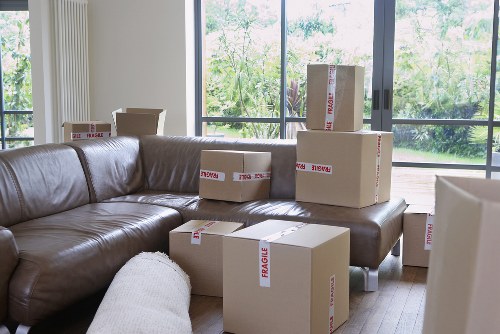
Many local customers worry about fragile items such as glass tables, televisions, mirrors, lamps, artwork, or sentimental belongings. This concern is completely understandable. A careful removal service should treat these items differently from standard boxes and furniture. That might mean extra wrapping, better positioning in the vehicle, or loading them last and unloading them first.
Heavy or awkward items also need special handling. Pianos, large wardrobes, exercise equipment, and white goods can all require more than basic carrying skills. In buildings with narrow stairwells or limited turning space, experience becomes especially important. Professional movers know how to move carefully without rushing the job.
For office clients, sensitive equipment such as computers, monitors, servers, and archived materials may need dedicated handling. If you are relocating a commercial space, ask how the team manages fragile technology and confidential files.
 How the Moving Process Works
A smooth move usually starts with a clear discussion of what needs to be moved, where it is going, and what access is available at both locations. Good removal services in Belgium typically begin with a short assessment so that the team can size the job properly. That assessment can be done from your item list, photos, or an in-person visit depending on the situation.
The process often follows these steps:
- Discuss your moving date, property type, and load size
- Identify access issues such as stairs, lifts, parking, or distance from entrance
- Confirm the type of service you want: full removal, partial move, or transport only
- Prepare packing materials and label essential items
- Load the vehicle carefully with larger items secured first
- Transport items to the new address and unload to the correct rooms
- Reassemble basic furniture if included in the service
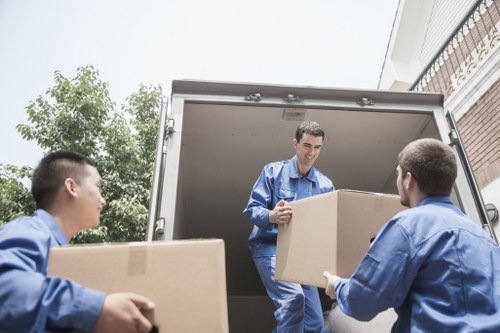
For local customers, the most convenient service is one that stays organised from start to finish. That means punctual arrival, clear communication, and a practical approach when buildings or traffic create delays. You should not have to manage every detail yourself on moving day.
Preparation Checklist Before Moving Day
Good preparation can make a major difference to the ease of the move. Even when you book a full service, there are a few things you can do in advance to keep the day running smoothly. These steps are especially helpful if you are moving within Belgium and want to reduce delays.
- Sort items into keep, donate, and discard categories
- Pack a separate essentials box with documents, chargers, toiletries, and a change of clothes
- Label boxes by room and contents where possible
- Empty and defrost fridges or freezers in advance if needed
- Disconnect appliances safely before the move
- Measure doorways, stair turns, and lift access for larger furniture
- Inform building management about moving day requirements
- Check whether parking access needs to be arranged close to the entrance
It is also sensible to keep personal documents, jewellery, medication, and valuables with you rather than in the moving load. This helps you stay organised and gives you peace of mind during the transfer.
If you are moving from one Belgian municipality to another, make sure you know what time the new property will be available and whether keys, meter readings, or handover appointments must be coordinated. A local mover can work around these time windows if they are planned early enough.
 Pricing Factors for Removal Services in Belgium
Customers often want to understand what affects moving costs before they request a quote. While exact prices vary, most removal services in Belgium base their estimates on a set of practical factors rather than a fixed standard rate. That is why it is important to provide accurate information about your property, distance, and item volume.
The main pricing factors usually include:
- Distance between the pickup and delivery addresses
- Volume and weight of items being moved
- Number of movers needed
- Access conditions at both properties
- Need for stairs, lifts, or long carrying distances
- Whether packing, dismantling, or reassembly is required
- Vehicle size and any special handling requirements
- Timing, such as weekend or peak-period moves
It is worth remembering that a lower quote is not always the best value if it excludes essential labour or does not account for access problems. A realistic quote based on your actual move is often more useful than an estimate that looks cheap at first but becomes difficult on the day. Request a free quote and make sure the service is tailored to your real requirements.
Why Choose a Local Company for Belgian Removals?
Choosing a local moving company can make the experience much smoother. A team that regularly works across Belgium understands the practical side of moving in cities, suburbs, and surrounding towns. They know that a move in a compact Brussels apartment block may need different planning from a suburban house in Hasselt or a commercial property near the port area in Antwerp.
Local companies are often better at handling short-notice changes, route planning, and access questions. They are also more likely to know what is realistic in your neighbourhood, whether that involves loading restrictions, busy junctions, or difficult parking. For customers, that means fewer surprises and more confidence in the moving plan.
Another advantage is flexibility. Some customers need help with a full household removal, while others want support for just a few items. A local team can often scale the service to suit the job instead of pushing you toward a large, unnecessary package.
Areas Commonly Covered Across Belgium
Removal services across Belgium usually cover a wide range of cities, towns, and surrounding districts. Customers often search for support within major urban centres as well as nearby residential areas. A mobile team can usually work across provincial boundaries as long as the logistics are planned clearly.
Areas commonly served may include Brussels and its surrounding communes, Antwerp and nearby suburbs, Ghent, Bruges, Leuven, Mechelen, Hasselt, Genk, Namur, Charleroi, Mons, Liège, Tournai, Kortrijk, Ostend, and other local communities across Flanders, Wallonia, and the Brussels-Capital Region. Moves between these locations are very common, especially for families, professionals, students, and businesses.
If your move includes a cross-country route, discuss travel time, access to both addresses, and whether the service needs to account for specific delivery windows. The more detail you provide, the easier it is to plan a reliable moving day.
Residential Removals: Making Home Moves Easier
Moving home is often emotional as well as practical. Families may be dealing with school changes, job changes, or a bigger life transition. In these situations, a dependable removal service is valuable because it reduces the physical and mental load. Instead of worrying about carrying heavy furniture or fitting everything into a vehicle, you can focus on the move itself.
For apartments and flats, efficiency is key. Buildings with shared entrances, small lifts, or limited street parking need a team that can work carefully and respect neighbours. For larger homes, the challenge is usually volume: more boxes, more furniture, more rooms, and more time. In both cases, a professional team helps keep the process structured.
Many residents also use movers for smaller tasks such as single-room relocations, storage transfers, or moving items after renovations. That flexibility is particularly useful in Belgium, where people often balance compact living spaces with changing household needs.
Commercial and Office Removals
Business moves require speed, planning, and minimal disruption. Offices, shops, clinics, showrooms, and storage rooms all present different challenges. A good removal company can help relocate workstations, office furniture, files, stock, and equipment while keeping the process organised.
For companies in Belgium, the biggest concerns are often downtime and coordination. You may need the move to happen after business hours, over a weekend, or in phases so that operations can continue. A local removal team can work around these requirements if the schedule is arranged clearly in advance.
Commercial removals also need attention to detail. Desks and shelving may need dismantling, IT equipment may need careful wrapping, and confidential paperwork should be handled appropriately. If you are moving a business, ask about the team’s approach to labelled crates, room-by-room placement, and phased delivery.
Useful questions to ask before booking
- Can the service handle both heavy furniture and smaller office items?
- Is help available for dismantling and reassembly?
- How is fragile equipment protected during transport?
- Can the move be timed outside business hours?
- Will items be placed in the correct rooms or departments at delivery?
Storage, Short-Notice Moves, and Flexible Support
Not every move is fully planned months in advance. Sometimes there is a gap between leaving one property and entering the next. In other cases, you may need temporary storage while renovating, waiting on keys, or downsizing. Removal services can often be paired with storage support or staged transport, depending on your situation.
Short-notice moves are also common in Belgium, especially when lease dates, work starts, or property handovers change. A local mover who can respond quickly is often the difference between a chaotic day and a manageable one. Even if the move is urgent, it is still worth discussing access, inventory size, and timing clearly so that the team can prepare properly.
Book your service now if you already know your moving date and want to secure a practical plan. Early booking is often the best way to make sure the vehicle, crew, and time slot fit your schedule.
What Makes a Good Removal Experience for Belgian Customers?
The best moving experiences usually share a few common features. They are not about flashy promises; they are about getting the practical details right. Customers in Belgium often look for punctuality, careful handling, polite communication, and an organised approach to access and transport.
In particular, a good service should be able to adapt to:
- Historic streets and tight access in older city centres
- Apartment blocks with lifts, staircases, or security entry systems
- Detached homes with garages, basements, or attic storage
- Multi-stop moves involving storage or furniture pickup
- Residential and commercial properties with different time windows
When a mover understands these realities, the whole process becomes easier. You get a service that feels local, responsive, and appropriate for Belgian conditions rather than a generic one-size-fits-all approach.
FAQs About Removal Services in Belgium
How early should I book a removal service?
It is best to book as soon as your moving date is known, especially if you are moving during a busy period such as summer, month-end, or a weekend. Early booking gives you more flexibility for vehicle size and crew availability.
Can movers help with just a few items?
Yes. Many customers only need furniture transport, partial removals, or help moving selected items between addresses, storage units, or offices. This is common in cities and for smaller living spaces.
Do I need to pack everything myself?
Not always. Some services include packing support, while others focus on transport and handling. If you prefer to pack yourself, a mover can still help by loading, unloading, and placing items in the right rooms.
What if my building has no lift?
That is very common in Belgium, especially in older properties. A professional mover can plan for stairs, narrow landings, and carrying routes. It is important to mention this before the move so the team can prepare.
Can businesses book removal services outside working hours?
Often, yes. Commercial moves are frequently arranged in the evening, early morning, or at weekends to reduce disruption. Availability depends on the project, so it should be discussed early.
Do you cover moves across different Belgian regions?
Many removal services do. Cross-regional moves between Flanders, Wallonia, and Brussels are common. Be sure to provide both addresses so the route and timing can be planned properly.
Getting Ready to Move
If you are preparing for a move, the most helpful next step is to gather the basic information: moving date, pickup and delivery addresses, item volume, access details, and any special requirements. Once these are known, a local removal team can create a practical plan that suits your home or business.
Whether you are relocating within the same town, moving to another province, or shifting between cities, the right support can save time and reduce hassle. Good removal services are built around careful planning, respectful handling, and clear communication. That is exactly what customers want when the moving date arrives.
Contact us today to discuss your move, compare service options, and request a free quote. If you need dependable Removal Services in Belgium, a local team can help make the process smoother from the first box to the final placement.